
Experience Real-Time Thrills at the Best Live Dealer Casino
Live dealer casino bridges the gap between online gaming and a real-world venue. It streams a professional croupier from a studio table directly to your device, where you place bets through an interactive interface. The core benefit is that real-time video and tangible gameplay create an authentic casino atmosphere from anywhere. To begin, you simply select a game, join a table with live players, and receive your results instantly as the dealer acts on your decisions.
Understanding Real-Time Table Gaming
Understanding real-time table gaming in a live dealer casino hinges on recognizing that you are not playing against a random number generator, but against a human dealer via a low-latency video stream. Your decisions—when to hit, stand, or double—must account for the dealer’s visible actions and the physical shoe, just like in a brick-and-mortar setting. The core skill is reading the rhythm of the live game, not the odds. Q: What separates real-time play from automated tables? A: Dealer interaction and the tactile pace of physical card shuffling or wheel spinning, which demand focused, sequential betting rather than rapid-click strategies.
How Streaming Technology Replicates the Brick-and-Mortar Floor
Streaming technology replicates the brick-and-mortar floor by deploying multiple high-definition cameras angled to capture the table from distinct dealer and player perspectives, mirroring the visual immersion of standing at a physical felt. Real-time optical cameras focus on card faces and roulette wheel spins, while multi-angle video feeds switch dynamically to follow the action, preventing blind spots. Studio lighting and soundproofing eliminate distractions, ensuring every shuffle, chip stack, and dealer gesture is transmitted with zero perceptible delay, creating a continuous, unbroken spatial environment that feels as immediate as an in-person casino visit.
Key Differences Between Digital RNG and Human-Hosted Tables
The core difference comes down to trust vs. speed. Digital RNG tables deal cards instantly based on an algorithm, making them incredibly fast with no waiting for a dealer to shuffle. Human-hosted tables, conversely, offer a physical human dealer managing real cards and chips in real-time. This human interaction adds a layer of social trust that an algorithm simply cannot replicate. Each approach changes your gameplay rhythm: RNG is perfect for quick, private sessions, while a live dealer table feels more like a genuine casino experience, albeit slower.
| Aspect | Digital RNG | Human-Hosted (Live) |
|---|---|---|
| Pace | Very fast, constant action | Slower due to manual dealing |
| Trust Factor | Algorithm-based, less tangible | Visual trust in a human dealer |
| Social Feel | Isolated, private | Interactive with dealer & chat |
| Game Variance | Unlimited digital shoe/deck | Limited by physical cards in view |
Advantages of Playing With a Human Dealer
Playing with a human dealer in a live casino brings a social energy that RNG games just can’t match. You get real-time banter and the ability to read the dealer’s subtle tells, which makes each hand feel more personal and engaging. The transparency of watching a real person shuffle and deal cards builds immediate trust, eliminating any doubt about algorithmic fairness. In blackjack or baccarat, you can even chat to ask for advice or joke about a bad beat. That small human connection often makes losing feel less frustrating and winning more satisfying. For practical gameplay, this interaction also speeds up ruling decisions on split or double-down calls, as the dealer visually confirms your chips. Ultimately, a human touch transforms a solitary screen into a shared experience.
Building Trust Through Physical Card Shuffling and Wheel Spinning
The physical act of a dealer shuffling cards or spinning a wheel creates tangible verification of randomness, directly addressing player skepticism. Unlike RNG algorithms, these manual actions are visually observable, allowing players to witness the lack of predetermined outcomes. Each shuffle disrupts card sequences in real time, while the wheel’s physical spin—governed by friction and gravity—produces a result no software can manipulate mid-round. This procedural transparency builds trust because players can mentally map cause (shuffle/spin) to effect (result), eliminating suspicion of hidden code. The repeated, visible ritual of manual randomization reinforces the game’s integrity through consistent, physical demonstration.
- Observing the dealer manually interleave cards confirms no replacement or stacking.
- Watching the wheel decelerate naturally—without digital intervention—proves the final slot is physically determined.
- The deliberate pace of these physical actions allows players to track each step, reducing doubt about staged outcomes.
Social Interaction Features: Chat, Gestures, and Studio Atmosphere
The primary advantage of playing with a human dealer is the authentic social interaction features that bridge the gap between online and land-based play. A live chat box allows real-time conversation with the dealer and other players, fostering camaraderie. Dealers respond to greetings and jokes, while gesture-based commands—like hand waves for hit or stand—make you feel physically present. The studio atmosphere, with ambient lighting, professional croupiers, and the sound of shuffling cards, creates genuine immersion that algorithms cannot replicate.
In short, chat keeps the banter alive, gestures replace button clicks, and the studio atmosphere delivers the true casino vibe—all key social interaction features that make live dealer play uniquely engaging.
Selecting the Right Studio Setup
Selecting the right studio setup begins with controlling the depth of field to isolate the dealer from background distractions. Use a three-point lighting rig—key, fill, and backlight—to eliminate harsh shadows on the table felt. Your camera angle must capture the shoe and betting positions without obstructing the dealer’s reach. For chip handling, choose a custom layout with integrated RFID readers beneath the drop box, ensuring seamless bet detection.
A dedicated audio booth prevents cross-table echo; mount directional mics on the player’s POV arm, not the table frame, to filter shuffle noise.
Test your latency at 60 fps with sub-200ms delay to maintain game flow.
Evaluating Camera Angles, Video Quality, and Stream Stability
When picking a live dealer casino, the setup’s technical quality makes or breaks the experience. You want multiple camera angles offering clear views of the dealer’s hands, the wheel, and the table layout—no awkward blind spots. High-definition video quality should be non-negotiable, with crisp detail even during fast shuffles. Stream stability is equally critical; constant buffering ruins the pace, so check for a robust platform that handles peak traffic without lag. A smooth, sharp feed ensures you catch every card and spin without frustration.
Popular Game Show Variations and Unique Betting Mechanics
When picking your live dealer studio, consider how variations like Dream Catcher’s money wheel or Monopoly Live’s bonus rounds shift the action. These games let you bet on numbered segments or specific Chance cards instead of classic card outcomes. Unique mechanics include betting on multiplier segments that stack or picking hidden tiles for instant cash prizes. It changes the pace from standard blackjack or roulette.
- Dream Catcher offers side bets on 2x and 7x segments for bigger payouts.
- Crazy Time’s Coin Flip bonus lets you bet on one of two colors for a chance at huge multipliers.
- Football Studio uses simple home/draw/away betting, mimicking a match, not a hand of cards.
Games That Dominate the Interactive Arena
In the interactive arena, live dealer casino games dominate by replicating the physical table experience through real-time video streaming. Blackjack and roulette are the primary contenders, favored for their fast-paced, strategic play led by a human dealer. Baccarat also commands a strong presence, appealing to players who prefer straightforward, low-decision rounds. The appeal lies in the interactive chat feature and high-definition feeds, which simulate a land-based atmosphere. Multiple camera angles provide a transparent view of every card dealt and wheel spin, reinforcing user trust. These games thrive because they merge digital convenience with genuine human interaction, keeping participants engaged through decisive, real-time outcomes rather than automated algorithms.
Classic Blackjack: Speed, Side Bets, and Infinite Seats
In the live dealer arena, Classic Blackjack with Infinite Seats removes table limits on player count, letting you join instantly without waiting. Speed is paramount here, with turbo rounds accelerating each hand to seconds, slashing downtime typical of physical tables. Side bets like Perfect Pairs or 21+3 overlay your main game, offering instant payouts based on your first two cards and the dealer’s upcard. To maximize your session:
- Engage the Infinite Seats layout to jump in mid-shoe without losing the stream.
- Enable turbo mode to force faster decisions, reducing round time.
- Place side bets only when the shoe’s deck composition favors high-pair or suited-card frequency.
This trinity of speed, extra wagers, and zero-wait access defines the modern interactive blackjack experience.

Roulette Variants: Lightning, Auto-Roulette, and VIP Tables
Within live dealer casinos, three specific roulette variants cater to distinct player preferences. Lightning Roulette layers random multipliers (up to 500x) onto select numbers, injecting high-volatility excitement directly into the live spin. Auto-Roulette removes the human dealer, using an automated wheel for faster, continuous rounds—ideal for pure, uninterrupted play. VIP Tables offer higher betting limits, exclusive dealer interaction, and often private rooms for high-stakes players. Each variant deliberately modifies a core element of standard roulette to serve a different user need, from risk-seeking thrills to speed or prestige.
Lightning adds multipliers for volatility, Auto-Roulette prioritizes speed, and VIP tables focus on exclusivity—each a distinct live roulette variant targeting a specific gameplay style.
Baccarat and Poker: Squeeze Modes and Low-Limit Options
In live dealer casinos, Baccarat’s squeeze mode allows players to slowly reveal cards by clicking or dragging, building suspense identical to high-roller private rooms. Poker tables also offer squeeze for community cards, letting players control the reveal speed during low-limit Hold’em or Omaha games. For budget-conscious players, low-limit options include Baccarat tables with minimum bets as low as $1 and Poker tables with small blind structures starting at $0.25/0.50. These features make the experience more interactive without requiring large stakes, while the controlled reveal mechanics add a layer of personal engagement.
| Game | Squeeze Mode Function | Low-Limit Entry |
|---|---|---|
| Baccarat | Player-controlled card reveal (Player/Banker hand) | Minimum bets from $1 to $5 |
| Poker | Community card squeeze (flop/turn/river) | Blinds from $0.10/$0.20 to $0.50/$1 |
Mobile Compatibility and User Experience
Mobile compatibility for live dealer casinos hinges on responsive design that preserves video stream stability and game control layouts across smaller screens. A seamless user experience requires adaptive interfaces, ensuring touch controls for betting and chat remain ergonomic without obscuring the live feed. Latency below two seconds is critical to maintain real-time interaction with the dealer, while portrait and landscape orientations must both offer full functionality. Q: Can I play live dealer games smoothly on any smartphone? A: Performance depends on a stable Wi-Fi or 4G/5G connection and a device with sufficient RAM to handle HD video streaming, though modern mid-range phones typically suffice.
Touch-Optimized Controls for Live Streams on Smartphones
Touch-optimized controls for live streams on smartphones prioritize responsive gesture-based betting, enabling players to tap or swipe directly over video feeds without latency. Buttons are oversized for thumb reach, and haptic feedback confirms chip placement or bet adjustments instantly. Floating action menus streamline toggling camera views or chat without blocking the stream. A
- Swipe-down gestures launch bet history without pausing the live feed
- Long-press on card positions triggers auto-bet for repeat wagers
- Pinch-to-zoom focuses on dealer actions without breaking touch registration
This design eliminates accidental taps during critical game moments while maintaining one-handed operability.
Data Usage Considerations and 5G Enhancements
Live dealer casinos demand high bandwidth for real-time video, but 5G enhancements dramatically reduce data consumption by optimizing stream compression. Dynamic bitrate adaptation now prevents buffering during gameplay, while edge computing lowers latency below 10 milliseconds. Users on 5G networks experience uninterrupted HD streams with 30% less data draw than 4G. This efficiency allows longer sessions without exceeding mobile data caps, as protocols prioritize dealer video over extraneous visuals. The result is a seamless, data-conscious experience where every megabyte serves the action.
5G enhancements slash latency and data usage, enabling smooth live dealer streams without exhausting mobile data caps.
Bankroll Management for Real-Time Play
In live dealer casino, bankroll management for real-time play demands strict session caps because the human dealer’s pace accelerates emotional betting. Treat each live blackjack or roulette hand as an isolated bet; never chase losses by doubling a wager mid-deal. A key rule is to set a “stop loss” before the shoe is shuffled—leave the table once this limit hits.
Your real opponent isn’t the dealer; it’s your own adrenaline, so divide your total bankroll into 10–15 distinct sessions to survive streaks.
Always account for side bets and interactive elements—they erode funds faster than base bets. Track time, not chips, and walk away after a predetermined win goal, preserving profits for the next live session.

Setting Bet Limits and Session Timers
Before the first card falls in a live dealer stream, define your live dealer game limits to anchor your session. Start by setting a maximum bet per round that fits your total bankroll, usually 1-5% of your funds. Next, trigger a session timer—most live lobbies offer this—to enforce a hard stop after 30 or 60 minutes. Use this sequence:
- Open the account’s “Responsible Gaming” or “Limits” tab
- Slide the daily loss cap to a fixed number
- Activate the session timer with a warning alert
Automatically log out when the timer expires to prevent chasing losses. This dual shield protects your balance and keeps the live atmosphere thrilling, not draining.
Understanding Wagering Requirements and Payout Speed
In live dealer casino bankroll management, understanding wagering requirements and payout speed directly impacts your real-time cash flow. Wagering requirements dictate how many times your bonus must be bet before withdrawal, so ignoring casino online us them risks locking funds during active play. Simultaneously, payout speed determines how quickly winnings return to your bankroll—slow processing forces you to play with less liquidity or miss betting windows. Always check the playthrough multiplier for live dealer games, as table bets often contribute less than slots, distorting your effective wagering progress. Pairing fast withdrawal with low-requirement bonuses ensures your balance stays accessible between hands or spins.
Licensing, Security, and Fair Play
In a live dealer casino, licensing ensures the operator is legally bound to follow strict standards, with the license number typically displayed on the homepage for verification. Security is upheld through real-time encryption of video streams and personal data, along with physical oversight of the studio floor. Fair play is guaranteed because genuine cards, wheels, and dice are used, and the outcome is determined by a human dealer, not a random number generator. A common question is: How can I verify the fairness of a live game? You can usually access a “game history” or “provably fair” log to review the shuffle or deal sequence, though the physical nature of the game means the integrity relies on the live feed and regulatory audits rather than cryptographic hashes alone.
How Regulatory Bodies Certify Studio Operations
Regulatory bodies certify live dealer studios through rigorous on-site inspections, verifying that physical equipment like shuffling machines and card shoes meets strict randomness standards. They audit camera placements and lighting to ensure every deal is clearly visible, preventing any obscured action. Auditors also review game integrity protocols, confirming that dealers follow approved procedures and that software controlling bet settlement is tamper-proof. This process guarantees that the studio’s environment and operations align with fairness requirements.
- Inspecting physical tables and card-handling devices for compliance
- Verifying camera angles capture all critical betting zones
- Reviewing dealer training logs and procedural adherence
Random Number Generators vs. Human Dealers in Audits
In a live dealer casino, audits scrutinize two distinct game engines: RNG vs. human dealer integrity checks. For digital tables, auditors verify that the Random Number Generator produces statistically unbiased, unpredictable outcomes by running millions of simulated rounds. Conversely, human-dealt games undergo live-stream audits, where reviewers manually track card shuffles, wheel spins, and dealer reactions to detect pattern manipulation or collusion. This creates a clear audit sequence:
- Capture raw video footage of the live dealer’s hands and equipment.
- Cross-reference the dealer’s physical actions against the game’s expected mathematical probability.
- Simultaneously run automated RNG tests on the digital elements within the same stream.
The dynamic tension lies here: an RNG audit is a cold, algorithmic pass/fail, while a human dealer audit demands behavioral analysis—watching for subtle tells like a too-perfect shuffle or an unnatural hesitation before the ball drops.
Loyalty Programs and Promotional Offers
Live dealer loyalty programs reward you with points for every hand of blackjack or spin of the roulette wheel you play in real-time. These points usually unlock cashback on losses, higher betting limits, or even dedicated tables with your favorite dealers. Promotional offers often include risk-free bets for specific live games, like a “first bet insured up to $50” on live baccarat. Always check the wagering requirements, as live dealer game contributions can differ from standard slots. Keep an eye on your account for reload bonuses that apply specifically to the live casino lobby, turning your next session into a more value-packed experience.
Cashback Rebates on Table Losses
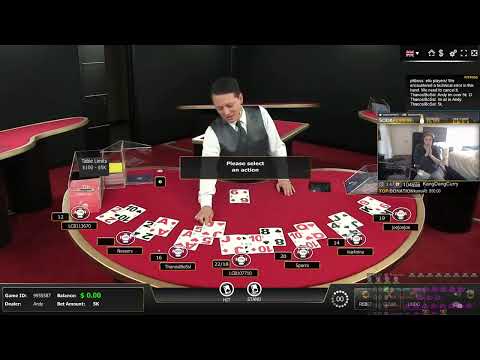
For live dealer casino enthusiasts, cashback rebates on table losses directly reduce the sting of a losing session by returning a fixed percentage of net losses, often daily or weekly. Unlike standard bonuses, this is pure value with no wagering strings attached, automatically credited to your account. Savvy players track loss thresholds to maximize rebate returns across different game types.
Q: Can I combine cashback rebates with other live dealer promotions?
A: Yes, most platforms allow stacking; your rebate is calculated on net losses after other bonuses have been applied.

VIP Hosts and Exclusive Tournament Access
For high rollers in live dealer casinos, a dedicated VIP Host transforms the experience, offering personalized table limits, bespoke game suggestions, and instant priority booking for peak-time blackjack or roulette. This direct access extends to exclusive tournament access where players compete for luxury prizes—from supercars to cash pools—in private, invitation-only events. Hosts manage your buy-ins and provide real-time strategy tips, ensuring you never miss a high-stakes leaderboard race. The combination creates a closed ecosystem where every spin or hand feels curated for your success.
VIP Hosts provide personal concierge service and guaranteed entry to private, high-stakes tournaments, offering luxury prizes and curated gameplay exclusively for live dealer casino high rollers.
Common Pitfalls to Avoid
A primary pitfall is ignoring game-specific rules, as live dealer versions often have subtle betting limits or side-bet mechanics that differ from RNG games. Another common mistake is chasing losses by increasing bets mid-session, which can quickly deplete a bankroll due to the faster pace of live action. Players also forget to account for network latency, causing missed decisions or failed bets. Question: What is a quick fix for time-related errors? Answer: Always confirm your bet before the dealer’s “no more bets” signal. Finally, avoid multitasking; split attention leads to misclicks or missed card reveals, directly harming your decision-making.
Misjudging Connection Lag and Betting Timers
One of the quickest ways to lose money in a live dealer casino is misjudging connection lag and betting timers. Your stream may appear smooth, but a one-second delay can cause your bet to register after the dealer closes betting. To avoid this:
- Always place your wager when at least three seconds remain on the visible timer.
- Wait for the game’s countdown to reset fully before acting on a new round.
This habit ensures your stake is accepted, preventing costly refunds or missed opportunities.
Chasing Losses in High-Paced Environments
In the rapid rhythm of a live dealer game, the hazard of chasing losses intensifies as rounds unfold in seconds. The immersive, real-time pace tricks you into believing the next hand or spin will instantly reverse your setback, pushing reckless bets. This emotional spiral erodes discipline, turning calculated play into desperate attempts to break even. Protect your bankroll by stepping away immediately after a losing streak, as speed magnifies the compulsion to retaliate.
- Set a strict loss limit before the session and walk away once it is hit.
- Avoid increasing bet sizes after a loss to recover funds quickly.
- Use a timer to pause between rounds, breaking the high-speed cycle.
- Focus on the game’s entertainment value, not on erasing past outcomes.
Future Trends in Immersive Gaming
The future of immersive gaming in live dealer casinos centers on hyper-personalized, multi-sensory environments. Players will soon inhabit fully rendered 3D studios, interacting directly with dealers and other avatars via haptic feedback that mimics physical chip handling. Biometric sensors will adjust the ambient lighting and sound based on a player’s heart rate, while high-fidelity eye-tracking enables silent menu navigation. These advanced live dealer integrations will eliminate flat screens, replacing them with spatial computing headsets that project the table directly into the user’s physical room, making the distinction between online and land-based play virtually indistinguishable.
Augmented Reality Overlays and Multi-Table Views
In live dealer casinos, augmented reality overlays for multi-table views let players simultaneously observe multiple live tables on a single screen. Overlays dynamically project real-time bet histories, dealer stats, and chip counts directly onto the video feed, eliminating the need for separate windows. Users can swipe to rearrange table thumbnails, while AR highlights winning patterns or hot/cold numbers across all viewed games. This setup maintains table immersion without splitting attention, as each overlay updates independently based on the dealer’s actions at that table.
Augmented reality overlays enable multi-table views by projecting contextual game data onto live feeds, allowing players to monitor several tables simultaneously without losing immersion.
Gamification Elements: Leaderboards and Virtual Tipping
Leaderboards in live dealer gaming introduce a competitive layer, ranking players by session wins or hands resolved, which directly incentivizes repeated play to climb positions. Virtual tipping functions as a separate gamification element, allowing users to send tokenized gratuities to dealers as a real-time reward mechanism. The logical sequence for this dynamic unfolds as:
- Players accumulate competitive points through wagering on live tables, which updates their leaderboard standing.
- Top-ranked performers earn the option to allocate virtual tips from their in-game wallet, creating a tangible feedback loop between skill and recognition.
- Dealers acknowledge these tips via interaction, reinforcing the leaderboard-driven reward loop and encouraging further engagement.
This closed system ties visibility to action without relying on external monetary incentives.